

Kindness Seems Like Something Everyone Can Agree On - Until It Isn't
What happens in our mind? What control do we have over ourselves?

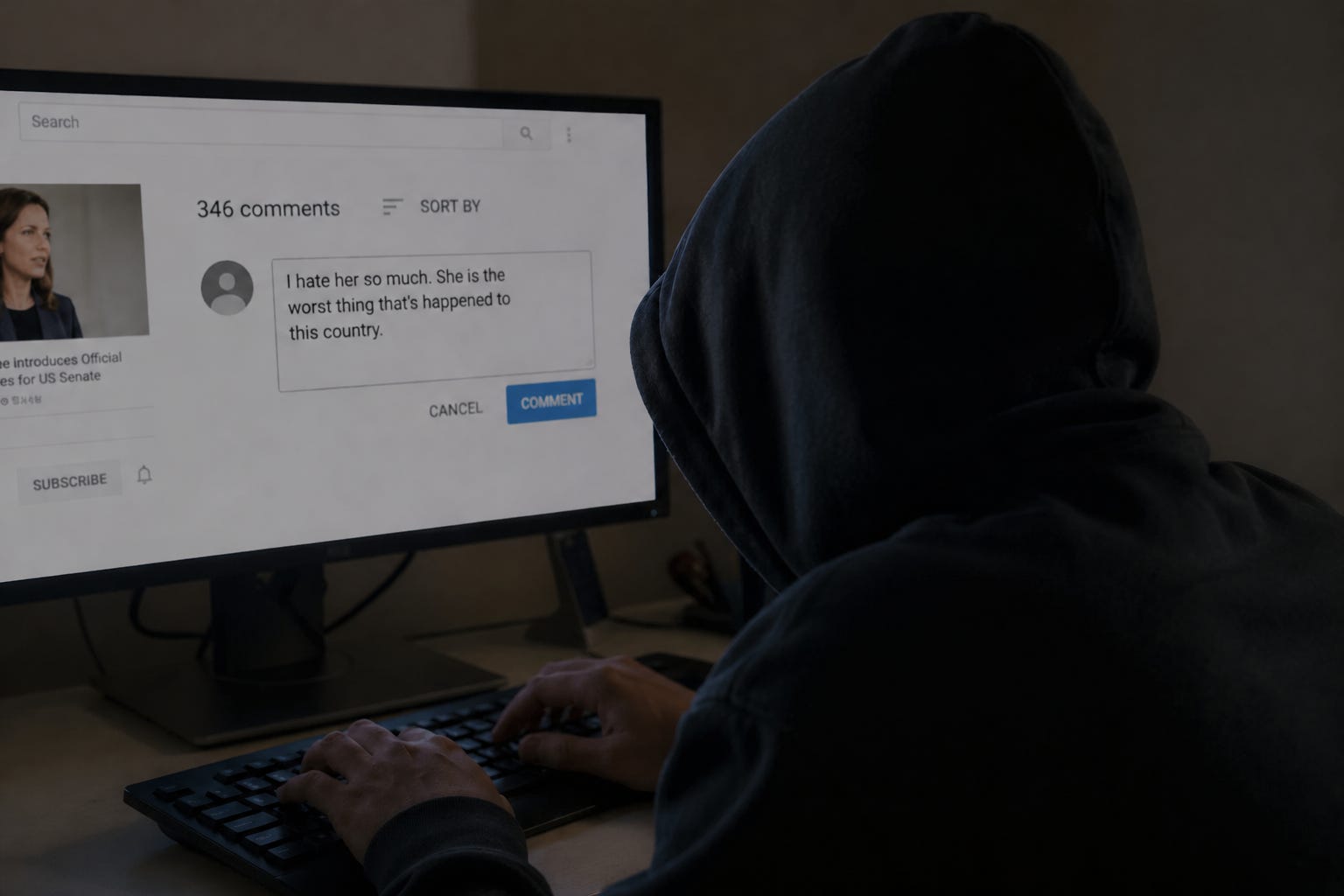
Most people don’t wake up intending to be unkind.
In fact, if asked directly, nearly everyone agrees that kindness is the better path. Yet scroll through any social media feed and you’ll quickly see the gap between belief and behavior.
Why does this happen so consistently?
Part of the answer lies in speed.
Social media is built for immediacy.
We react before we reflect.
The human brain is wired to respond quickly to perceived threats or disagreements, and online platforms amplify that instinct.
Without the natural pause that face-to-face conversation provides — tone, eye contact, the subtle humanity of another person — we default to impulse.
What might have been a measured response in person becomes a sharp comment in seconds.
It feels free and uncomplicated.
Another factor is distance.
When we don’t see someone’s reaction, it becomes easier to forget they are a full human being with complexity, history, and emotion.
This psychological distance reduces empathy.
Add to that the performative nature of social media — where likes, shares, and attention reward boldness more than nuance — and unkindness can start to feel justified, even productive.
That’s no excuse for hurting someone.
There’s also the quiet influence of identity and tribalism.
Tribalism. Hmmmm.
When we attach ourselves strongly to ideas, groups, or beliefs, disagreement can feel personal.
In those moments, kindness can seem like weakness or compromise, rather than strength.
We defend, we react, and often, we wound.
But none of this is inevitable.
Individually, we can interrupt the pattern.
The first step is awareness.
Catch the moment between feeling and response.
That small gap is where change lives.
Before posting or replying, ask:
“Is this helpful? Is this necessary?
Would I say this the same way in person?”
Even a five-second pause can dramatically shift tone and intention.
I know. It doesn’t feel as intense as putting the hammer down. But that’s the point, isn’t it?
Second, rehumanize the other person.
Picture them in a real setting — sitting across from you, sharing a coffee, carrying their own burdens.
This mental shift softens the instinct to attack and opens the door to understanding.
You are communicating with a human. A real person.
Third, redefine strength.
Kindness is not surrender.
It is control.
It is the ability to hold your ground without tearing someone else down.
Especially when someone “doesn’t deserve it,” kindness becomes a deliberate act of character rather than a reaction to circumstance.
And that’s why it matters.
When we choose kindness in difficult moments, we’re not just shaping the interaction — we’re shaping ourselves.
We reinforce patience, discipline, and emotional clarity.
Over time, those traits become part of our identity, influencing every relationship and decision.
It’s strength.
In a world that moves fast and rewards noise, choosing kindness is a quiet rebellion.
It’s resisting something that you totally can resist.
It doesn’t mean avoiding truth or disagreement.
It means delivering both with intention, respect, and a long-term view of who you want to be.
Ultimately, your kindness isn’t about them.
It’s about you — your standards, your discipline, and the life you are building one interaction at a time.
— Loyd Ford